
Introduction
When speaking about vehicle safety and performance, most people think about the engine, brakes or tyres. However, there are a few small parts doing the quiet work, behind the scenes, to make sure each trip is safe and smooth. One of those components is the wheel bearing. It’s hidden inside the wheel assembly instead it’s crucial in allowing your wheels to spin smoothly while carrying the entire weight of your car.
The wheel bearing is one of the components of the wheel hub, the essential element that firmly attaches the wheels to the suspension and braking system. All these components together allow for better handling, improved steering control, reduced friction, and a comfortable drive.
What Are Wheel Bearings?
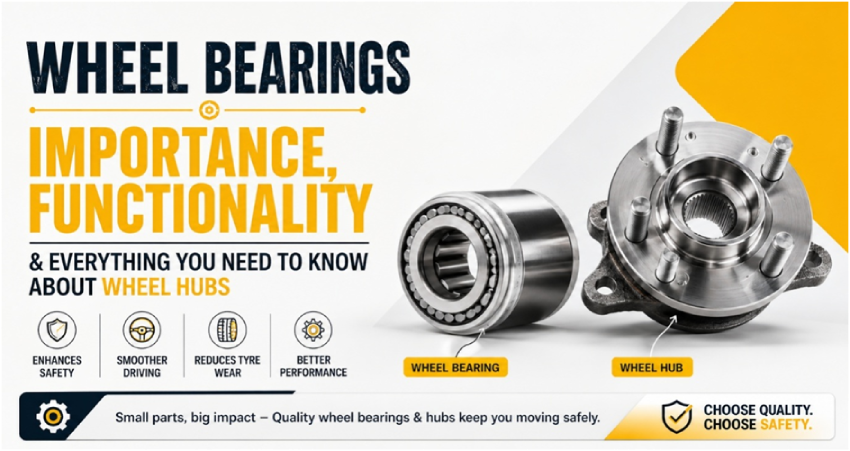
Wheel bearings are precision engineered components that are located inside the wheel hub. Someone allow the wheels to rotate smoothly and with little friction. They typically include hardened steel balls or tapered rollers arranged in strong metal rings known as races. Every time you move your vehicle the wheel bearings are working to hold the weight of the vehicle while allowing the wheels to spin freely.
The wheel bearing is one of the smallest components of the wheel assembly, but it takes a tremendous pounding from the road. They are built to withstand high speeds, heavy loads and continuous motion on various driving conditions. Wheel bearings allow the wheels to spin smoothly without first any added resistance or vibration, whether or not you ‘re cruising downward the highway or navigating busy city streets.
A properly functioning wheel bearing not only improves the driving comfort but also contributes more to better fuel efficiency, steering precision, and overall vehicle safety.
Why Are Wheel Bearings Important?
The wheel bearings are among the most essential components for safe driving, but are frequently overlooked in routine vehicle maintenance. They are designed to hold up the weight of the car and maintain the wheels turning all the moment.
Their condition possesses a direct effect on how your car handles. Good wheel bearings reduce the friction of the moving parts to ensure the wheels turn easily. This means enhanced steering response, decreased tyre wear and less strain on the suspension and brake system components. They also assist in keeping the wheel alignment correct to give you a better grip and vehicle stability while driving at different speeds.
Worn wheel bearings may result in noisy operation, poor handling, increased tyre wear and serious safety concerns. Replacing them at the right time helps to maintain the reliability and performance of your vehicle by avoiding more expensive repairs in the future.
How Do Wheel Bearings Function?
The wheel bearing mainly is used to reduce friction among the wheel hub and the axle and assist to stabilize the rotating wheel. Inside the bearing, steel balls or tapered rollers run smoothly between specially designed metal races.
Although the rolling motion offers very little resistance at this point, the wheel can spin freely even with heavy loads.
The wheel bearings will constantly absorb the vertical forces and the horizontal forces generated by the road when the vehicle accelerates, brakes or turns. These distribute these loads evenly, maintaining wheel alignment and stable handling.
This smooth running additionally takes the excessive strain off components like the axle, suspension and steering system that are located underneath. Without properly functioning wheel bearings, the wheels would generate excessive heat and friction, making driving uncomfortable and potentially unsafe.
Understanding the Role of Wheel Hubs
The wheel hub is known to be one of those important vehicle components that most drivers rarely think about until something goes wrong. It can be found in the central position of the wheel and attaches the wheel to the suspension and the axle. The hub plays a big role in keeping the entire wheel assembly secure and working properly.
The wheel bearing, brake disc or drum, wheel studs and ABS sensor are all attached to the hub.Every time you get close to the wheel, the wheel hub and wheel bearing are paired up to keep the wheels turning smoothly and tightly bound to the vehicle.
Whether you’re traveling through city traffic, sharp turns or sudden braking, the hub helps keep the wheels stable.
unit which makes installation easier and helps to ensure a good fit when replacing these parts.
If the hub becomes damaged or worn, replacing it with a high-quality or genuine part is essential to help maintain your vehicle’s safety, steering performance and overall reliability.
How Wheel Bearings and Wheel Hubs Work Together
Wheel bearings and wheel hubs are separate components, however they work together as one to keep the vehicle operating smoothly and securely. The wheel hub is a strong structure for mounting the wheel, and a bearing in the hub allows the wheel to change direction freely with little resistance. This ensures the wheel remains stable while rotating.
The wheel bearing supports the rotating wheel. The hub keeps everything securely attached to the suspension and braking system. This collaborative effort ensures steering stability, braking performance and a pleasant driving experience. A damaged bearing or hub may impact the performance of the entire wheel assembly.
Therefore, mechanics will typically inspect both parts at the exact same time if they are alerted to any odd noises or problems with the wheel.
Common Signs of Worn Wheel Bearings
Wheel bearings typically wear out gradually, and there are often several warning indicators before they fail completely. Early identification of these symptoms can help prevent expensive repairs and improve vehicle safety.
A typical symptom is a humming, grinding or growling noise from the wheels, especially when driving at higher speeds. Drivers may also feel vibrations in the steering wheel, uneven wear on the tires, or a loose feel to the steering when negotiating a corner. In many modern vehicles, a faulty wheel bearing may even turn away the ABS warning light, because the sensor is integrated into the hub assembly.
Ignoring these symptoms can put additional pressure on the suspension, brakes and tyres, which could contribute to more serious mechanical problems.
What Causes Wheel Bearings to Wear Out?
Although wheel bearings are designed for long-term durability, they are constantly exposed to harsh road conditions that will gradually cause wear. Driving through potholes, rough roads, deep water, or carrying excessive loads can accelerate bearing damage over time.
Contamination from dirt, dust, and moisture is another major reason for premature bearing failure. Once the protective seals become damaged, then the foreign particles enter the bearing, increase internal friction.
Incorrect installation or even using low-quality replacement parts can also shorten the lifespan of wheel bearings considerably.
Regular inspections and using genuine replacement parts help reduce these risks and keep the wheel assembly operating efficiently for many years.
Good Maintenance Practices for Wheel Bearings and Wheel Hubs
One of the simplest ways to increase the lifespan of wheel bearings and wheel hubs is to perform good maintenance. These parts need a bit of attention throughout their normal use, but you can significantly increase their durability by following a few simple practices.
You need to avoid driving aggressively over potholes and speed breakers, as sudden impacts place excessive stress on the wheel assembly.
If you frequently drive through flooded roads, you have the wheel bearings inspected during your next service to ensure moisture has not entered the assembly. Whenever brake or suspension work is performed, ask your mechanic to check the condition of the bearings and hub for signs of wear.
Why Choosing Genuine Wheel Bearings Matters
The quality of a wheel bearing directly affects the safety, reliability, and performance of your vehicle. Genuine wheel bearings are manufactured using premium-grade steel and tested to meet strict quality standards, ensuring precise fitment and long service life.
Low-quality bearings may seem like a cheaper option initially, but they often wear out much sooner and can create excessive noise, vibration, and handling problems. Poorly manufactured bearings can also damage the wheel hub and other surrounding components, leading to higher repair costs in the future.
Choosing genuine replacement parts provides better durability, smoother wheel rotation, improved fuel efficiency, and greater peace of mind on every journey.
Frequently Asked Questions (FAQs)
1. How do I know if my wheel bearing needs to be replaced?
One of the first signs of a worn wheel bearing is a humming or grinding noise that gets louder as you drive faster. You may also notice slight vibrations in the steering wheel or feel that the car isn’t handling as smoothly as before. In some cases, the tyres may wear unevenly, or the ABS warning light may come on. These symptoms shouldn’t be ignored because a damaged wheel bearing can affect your vehicle’s safety. If you notice any of these warning signs, it’s always a good idea to have your vehicle inspected by a qualified mechanic.
2. Can I continue driving with a bad wheel bearing?
While your car may still be drivable for a short distance, it’s not recommended to continue using it with a faulty wheel bearing. As the bearing wears out, it creates more friction and can damage nearby parts such as the wheel hub, suspension, and braking system. The longer you wait, the more expensive the repair can become. More importantly, a severely damaged bearing can affect steering control and overall road safety. Replacing it early is always the safer and more cost-effective option.
3. What is the difference between a wheel bearing and a wheel hub?
A wheel bearing and a wheel hub work together, but they perform different jobs. The wheel bearing allows the wheel to rotate smoothly with minimal friction, while the wheel hub acts as the mounting point that connects the wheel to the vehicle. In many modern cars, the bearing is fitted inside the hub, and both parts work as a single assembly. If either component becomes damaged, it can affect the performance of the entire wheel system. That’s why mechanics usually inspect both parts during repairs.
4. How long do wheel bearings usually last?
There’s no fixed lifespan because it depends on how and where the vehicle is driven. Under normal driving conditions, wheel bearings can last anywhere between 80,000 and 150,000 kilometres. However, rough roads, potholes, heavy loads, water exposure, and poor-quality replacement parts can reduce their lifespan. Regular servicing helps identify early signs of wear before they become major problems. Looking after your vehicle and replacing worn parts on time can help your wheel bearings last much longer.
5. Why should I choose genuine wheel bearings instead of cheaper alternatives?
Choosing genuine wheel bearings gives you better reliability, durability, and peace of mind. They are designed to match your vehicle’s exact specifications, ensuring a proper fit and smoother performance. While cheaper alternatives may cost less initially, they often wear out faster and may not provide the same level of safety or quality. Genuine parts also help protect other components in the wheel assembly from unnecessary damage. In the long run, investing in quality parts can save both money and unexpected repair costs.
Conclusion
Wheel bearings and wheel hubs are among the most important components of your vehicle’s wheel assembly. While they often go unnoticed during everyday driving, they play a vital role in supporting the vehicle, reducing friction, maintaining steering stability, and ensuring smooth wheel rotation. Without them, safe and comfortable driving would not be possible.
Understanding how these components function and recognising the early signs of wear can help prevent unexpected breakdowns and costly repairs. Regular maintenance, timely inspections, and investing in genuine replacement parts will keep your vehicle performing at its best for years to come. Whether you’re replacing a worn-out bearing or upgrading your wheel hub assembly, choosing high-quality components is always a smart investment in your vehicle’s safety and reliability.