
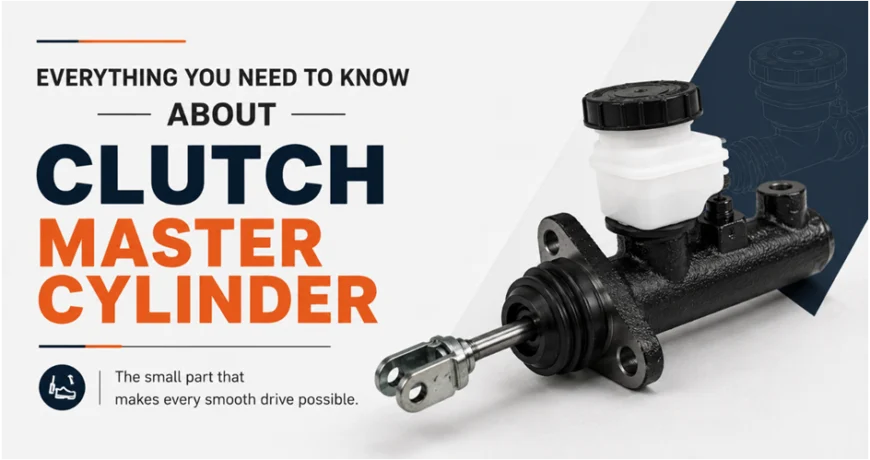
The clutch system is one of the most important parts of a manual transmission vehicle. And at the heart of the system is the clutch master cylinder. Many drivers know about the clutch plate and the pressure plate yet the clutch master cylinder is frequently forgotten about as it is hidden away under the bonnet. This small hydraulic component however has a crucial function every time you press the clutch pedal. It makes sure the pressure you put on your foot turns into hydraulic pressure so you can change gears easily and drive comfortably.
A well-functioning clutch master cylinder makes all the difference whether you are navigating heavy city traffic or cruising down a long stretch of highway.
What is the importance of the clutch master cylinder?
The clutch master cylinder is often called the “heart” of the hydraulic clutch system because it starts the entire clutch operation. Without it, the force applied to the clutch pedal would never be transmitted to the clutch assembly. A properly functioning clutch master cylinder offers several important benefits.
It allows smooth and precise gear shifts, reduces the effort required to press the clutch pedal, minimizes wear on transmission components, and enhances overall driving comfort. It also helps improve safety by ensuring that the clutch disengages completely whenever the driver changes gears. In modern vehicles, hydraulic clutch systems will have largely replaced mechanical cable-operated systems because they provide better performance, require less maintenance, and offer a more consistent driving experience.
How Does a Clutch Master Cylinder Work?
Every time when you press the clutch pedal you will mainly coordinate with the hydraulic process takes place. The movement of the clutch pedal will mainly pushes a piston inside the clutch master cylinder. This piston compresses the hydraulic fluid which will store in the reservoir, creating pressure inside the hydraulic line. The pressurized fluid travels through the clutch pipe to the clutch slave cylinder, which then moves the clutch fork.
This action mainly separates the clutch plate from the engine flywheel, allowing the driver to change the gears without damaging the transmission.Once the driver releases the clutch pedal, the piston returns to its original position with the help of a return spring. At the same time, the hydraulic fluid flows back into the reservoir, preparing the system for the next gear change.This entire process takes only a fraction of a second but happens thousands of times throughout the life of a vehicle.
Main Components of a Clutch Master Cylinder
Although compact in size, the clutch master cylinder consists of several essential parts that work together.
Cylinder Body
The cylinder body may act as the main housing for all the internal components. It is mainly designed to withstand the continuous hydraulic pressure and harsh operating conditions.
Piston Assembly
The piston is responsible for creating hydraulic pressure when the clutch pedal is pressed. Its movement directly affects the efficiency of the clutch system.
Rubber Seals
High-quality rubber seals will prevent the hydraulic fluid from leaking while maintaining proper pressure inside the cylinder. Over time, these seals will naturally wear out and become one of the most common causes of the failure.
Return Spring
The return spring will mainly ensures that the piston returns to its resting position after the clutch pedal is released, allowing the hydraulic system to reset.
Fluid Reservoir
The reservoir stores the clutch fluid and supplies it to the hydraulic system where the pressure is generated. Maintaining the correct fluid level is essential for smooth clutch operation.
Common Signs of a Failing Clutch Master Cylinder
Clutch master cylinders will rarely just stop working without warning signs. Through paying attention to these symptoms you might be more likely to identify problems before they become more serious. One of the earliest signs is a soft or spongy clutch pedal. If you experience a soft, spongy pedal that takes a lot of pumping to get to engage, it could be an internal hydraulic leak.
Drivers may also have the trouble shifting gears, especially when attempting to put the car in first gear or reverse.The clutch is not fully disengaging, so the transmission is not smoothly changing to the desired gear.Fluid leaking around the clutch pedal, firewall or engine bay is another common symptom. Leakage of hydraulic fluid reduces the clutch performance and will result in complete clutch failure if left ignored.
A low clutch fluid level without any obvious external leak may indicate that the fluid is bypassing worn internal seals inside the master cylinder.In more severe cases, the clutch pedal may stick to the floor, making it impossible to disengage the clutch and leaving the vehicle undrivable.
What Causes a Clutch Master Cylinder to Fail?
Like all hydraulic parts, the clutch master cylinder will wear down over time. Continuous use gradually weakens the internal rubber seals so they are less able to maintain the hydraulic pressure.
Another major cause of failure is contaminated clutch fluid. Moisture, dirt and other debris in the hydraulic system can degrade the internal piston and cylinder walls leading to leaks and reduced performance. The life of the clutch master cylinder can also be shortened by the use of lower-quality replacement parts. Materials that are low-cost often fail well before genuine or trusted aftermarket parts. Poor maintenance is sometimes the biggest culprit. Many people change the engine oil regularly but forget that the clutch fluid also needs periodic replacement to keep the hydraulic system in good condition.
Can You Drive with a Bad Clutch Master Cylinder?
Although the vehicle may continue to operate during the early stages of failure, driving with a faulty clutch master cylinder is never recommended.As hydraulic pressure decreases, gear changes become increasingly difficult. Eventually, the clutch may fail to disengage completely, causing grinding gears, excessive transmission wear, and even complete clutch failure.
How to Maintain Your Clutch Master Cylinder
Proper maintenance is the easiest way to maximize the lifespan of your clutch master cylinder.Regularly inspect the clutch fluid reservoir and ensure the fluid remains at the recommended level. Change the hydraulic fluid following the vehicle manufacturer’s service schedule even if you don’t observe any problems.
Routine servicing should include checking for any sign of leakage around the master cylinder and hydraulic lines. If the clutch pedal starts to feel different, get the system inspected without waiting for total failure. Using only the recommended hydraulic fluid and high-quality replacement components can greatly increase the reliability of the entire clutch system.
FAQs
1. Is the clutch master cylinder the same as the clutch slave cylinder?
No, they are different components, even though they work together. The clutch master cylinder is connected to the clutch pedal and creates hydraulic pressure when you press the pedal. That pressure is then sent to the clutch slave cylinder, which operates the clutch mechanism at the transmission. If either component fails, the clutch system won’t work as it should. That’s why mechanics usually inspect both parts when diagnosing clutch-related problems.
2. What causes a clutch master cylinder to fail?
Like any mechanical part, a clutch master cylinder wears out with age and regular use. The rubber seals inside can become brittle, allowing hydraulic fluid to leak or lose pressure. Contaminated clutch fluid, moisture, and poor maintenance can also damage the internal components over time. In some cases, using low-quality replacement parts may result in premature failure. Regular servicing and timely fluid changes can help prevent most of these issues.
3. Can low clutch fluid affect gear shifting?
Yes, it can have a noticeable impact on how your vehicle shifts gears. When the clutch fluid level drops, the hydraulic system cannot build enough pressure to disengage the clutch completely. As a result, you may find it difficult to shift into gear, especially when the engine is running. You might also hear grinding noises or experience a stiff clutch pedal. Checking the fluid level should always be one of the first steps when diagnosing clutch problems.
4. Do all manual cars have a clutch master cylinder?
Most modern manual transmission vehicles use a hydraulic clutch system, which includes a clutch master cylinder and a clutch slave cylinder. However, some older vehicles use a mechanical clutch cable instead of hydraulic components. The type of clutch system depends on the vehicle’s design and manufacturer. If your car has a hydraulic clutch system, the master cylinder plays a vital role in ensuring smooth clutch operation and effortless gear changes.
5. Is replacing a clutch master cylinder an expensive repair?
The cost can vary depending on the vehicle model and the quality of the replacement part. In most cases, replacing a clutch master cylinder is much more affordable than repairing a damaged clutch or transmission caused by ignoring the problem. Labour charges are usually reasonable because the component is relatively accessible on many vehicles. Investing in a genuine or high-quality aftermarket replacement can also reduce the chances of repeat repairs and improve long-term reliability.
Conclusion
The clutch master cylinder may be small in size, but it plays a vital role in the overall performance of your vehicle’s clutch system. It is responsible for delivering the hydraulic pressure needed for smooth gear changes, making every drive safer and more comfortable. Understanding how it works, recognizing the early signs of wear, and maintaining the hydraulic system can save you from unexpected breakdowns and costly repairs. If your vehicle is showing symptoms such as a soft clutch pedal, difficulty shifting gears, or hydraulic fluid leaks, don’t ignore them.
Replacing a worn clutch master cylinder with a high-quality genuine or trusted aftermarket part will restore your vehicle’s performance and help ensure a smoother driving experience for years to come. For reliable clutch master cylinders and a wide range of genuine car spare parts, Motrparts offers quality products, competitive prices, and fast delivery across India, making it easier to keep your vehicle in top condition.